



Finnish Sauna and Its Health Benefits: A Tradition Worth Understanding
For communities across Forbes, Parkes and the Central West, work, family commitments and everyday responsibilities can leave little time to slow down. A sauna offers a simple opportunity to pause, enjoy warmth and spend time away from distractions.
As a Finnish-born Australian, sauna is part of my cultural heritage. In Finland, it is woven into everyday life, bringing people together and providing a place for physical and mental relaxation. Finnish sauna culture was added to UNESCO’s Representative List of the Intangible Cultural Heritage of Humanity in 2020.
A traditional Finnish sauna uses a wood-fired or electric heater to warm a bed of stones. Water poured onto those stones creates löyly, the wave of steam and warmth that shapes the experience. Bathers alternate time in the heat with breaks to cool down and rest.
One of sauna’s most appealing benefits is the opportunity to unwind. The warmth and quiet can help people feel calmer, while leaving the phone outside creates space for uninterrupted conversation or reflection. Some research suggests improvements in stress and sleep, although the evidence is still developing. Sauna can be an enjoyable part of a wellbeing routine without needing to promise a medical result.
There is also considerable interest in sauna and heart health. A Finnish study followed 2,315 middle-aged men for around 20 years and found that more frequent sauna bathing was associated with lower rates of fatal cardiovascular events and death from all causes. However, this was an observational study. It identified a relationship, but could not prove that sauna itself caused the better outcomes. Other aspects of participants’ health and lifestyles may have contributed.
Heat increases heart rate and blood flow to the skin, but these short-term changes do not establish long-term protection against heart disease. More recent trials have produced mixed results, and sauna should complement exercise, healthy food, sleep and appropriate medical care.
For people who enjoy physical work or sport, warmth may also ease the feeling of sore muscles and stiffness. Small studies suggest potential relief for some painful conditions, but feeling more comfortable does not necessarily mean an injury is healing faster. Persistent pain still deserves proper assessment.
It is equally useful to understand the limits of popular claims. A lower number on the scales immediately after a sauna largely reflects fluid lost through sweating. That weight returns with rehydration. Sauna is not an established method of losing body fat.
For newcomers, the best approach is gentle and unhurried:
Start with a short session, around five minutes, and leave sooner if uncomfortable.
Drink water before and after, and allow time to cool down gradually.
Avoid alcohol and skip the sauna when ill or already dehydrated.
Leave immediately if you feel dizzy, weak, nauseated or unwell.
Treat comfort as your guide. Staying longer or choosing a hotter temperature is not a measure of success.
This matters particularly during a Central West summer. After working outdoors in the heat, give yourself time to cool down and replace lost fluids before considering any additional heat exposure.
If you are pregnant, have a heart condition, blood pressure problems, or take medication that affects hydration or heat tolerance, speak with your healthcare professional before using a sauna. Children also need advice appropriate to their age and health, rather than following an adult routine.
What I value about the Finnish approach is its simplicity: make time, enjoy the warmth and respect your own limits. Whether shared with others or enjoyed quietly, sauna can provide something valuable in a busy week, a regular opportunity to stop and look after yourself.
Custom saunas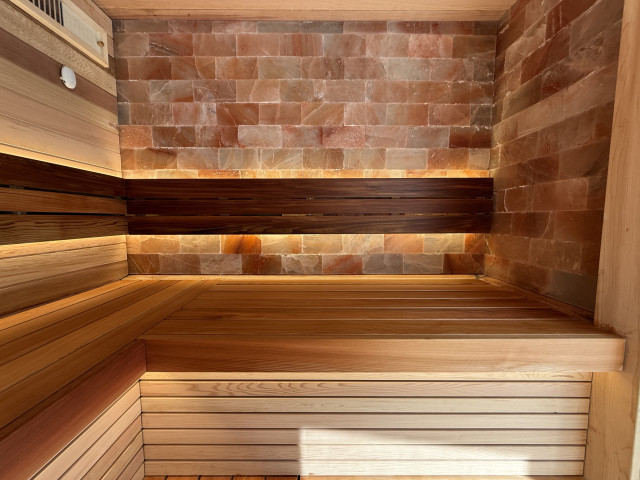 
Visit my Business Website
Welcome Visitor 7
To distribute this article more widely To manage this article or write your own article simply LOGIN
| ||||
